
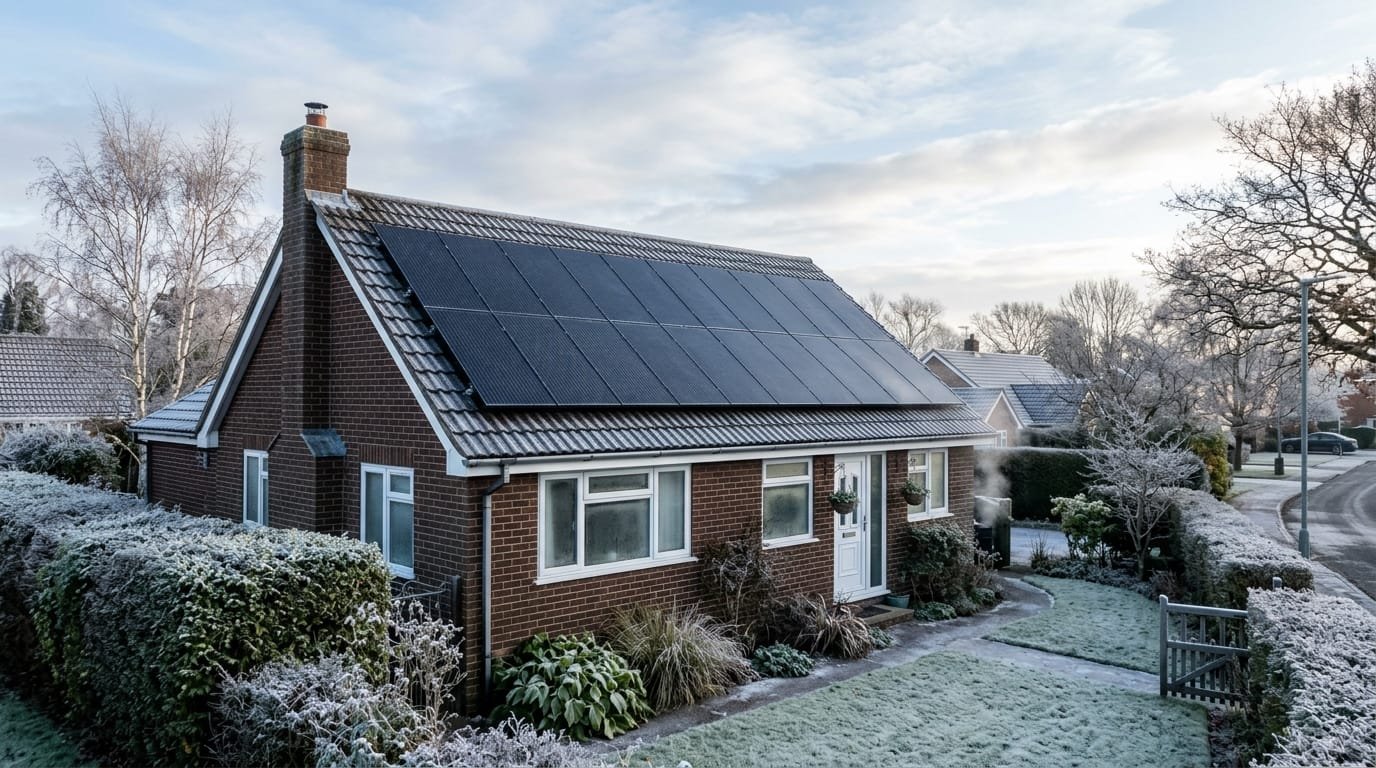
Do Solar Panels Work in Winter in the UK?

Quick answer

Yes, solar panels work in winter in the UK. They generate electricity whenever daylight reaches the solar cells, even when the weather is cold, cloudy or overcast.

Winter solar generation is generally lower than summer generation because the days are shorter, the sun sits lower in the sky and cloudy conditions are more common. However, cold temperatures do not stop solar panels from working. In fact, solar panels can operate efficiently in cool conditions, provided they receive enough daylight.

A correctly designed domestic solar system will account for seasonal changes and estimate how much electricity it is likely to generate throughout the year.

How do solar panels work during winter?

Solar panels convert sunlight into electricity through photovoltaic cells. These cells respond to light rather than heat, which means solar panels do not need warm weather to generate power.

During winter, solar panels continue producing electricity from both direct and indirect sunlight. They can therefore generate energy on clear winter days as well as during overcast conditions.

Output changes depending on:

  • The amount of available daylight
  • Cloud cover
  • Roof direction and angle
  • Shading around the property
  • Solar panel efficiency
  • The size of the system
  • The condition of the panels and inverter

A cold, bright winter day can provide useful solar generation. However, a dark and heavily overcast day will usually produce less electricity because less light reaches the panels.

Why is winter solar generation lower?

The main reason solar panels produce less electricity in winter is reduced daylight, not low temperature.

Shorter daylight hours

UK winter days are considerably shorter than summer days. With fewer hours of daylight available, solar panels have less time to generate electricity.

The system may start generating later in the morning and stop earlier in the afternoon than it would during summer.

A lower sun angle

The sun remains lower in the sky during winter. This changes the angle at which sunlight reaches the panels and can reduce the intensity of the available solar energy.

Roof direction and pitch can influence how effectively the system captures winter sunlight.

Increased cloud cover

Cloudy and overcast weather is more common during the UK winter. Solar panels still work under clouds, but their output is usually lower than it would be in direct sunlight.

Cloud thickness also matters. Light cloud may only cause a moderate reduction, while dense, dark cloud can significantly limit generation.

Additional shading

Nearby trees, buildings and chimneys may cast longer shadows during winter because the sun sits lower in the sky.

A professional solar survey should consider seasonal shading rather than assessing the roof only under summer conditions.

Does cold weather reduce solar panel efficiency?

Cold weather does not necessarily reduce solar panel efficiency.

Solar panels usually perform more efficiently at cooler operating temperatures than they do when they become extremely hot. High temperatures can slightly reduce the electrical efficiency of photovoltaic panels.

This means a cold but sunny winter day can provide good operating conditions. However, total generation may still be lower than on a summer day because the winter daylight period is shorter and the sun is less intense.

It is important to separate efficiency from total output:

  • Efficiency describes how effectively a panel converts available sunlight into electricity.
  • Output describes the total amount of electricity generated.

A panel may operate efficiently in cold weather while still producing less total electricity because there are fewer daylight hours.

Do solar panels work when it is cloudy?

Yes, solar panels work when it is cloudy.

Although clouds block some direct sunlight, diffuse daylight still reaches the panels. This allows the system to continue generating electricity, although usually at a reduced level.

The exact reduction will depend on the density and duration of the cloud cover. A lightly overcast day may still provide reasonable generation, while a dark winter day will produce considerably less.

This is why solar energy performance should be assessed over months and years rather than judged by the output from one individual day.

Do solar panels work in snow?

Solar panels can continue working in snowy conditions, but a thick covering of snow may prevent light from reaching the solar cells.

Snow is relatively uncommon across many parts of the UK, and it will often slide or melt from angled panels. Dark solar panels may also warm when exposed to daylight, helping light snowfall clear naturally.

Homeowners should not climb onto a roof or use unsuitable equipment to remove snow from solar panels. Doing so could damage the panels and create a serious safety risk.

If snow remains on the system for an extended period or there is concern about damage, contact a professional solar maintenance provider.

How much electricity do solar panels generate in winter?

There is no single figure that applies to every property.

Winter solar generation depends on the system size, local weather, roof orientation, panel angle and surrounding shade. Generation also varies from one winter to another.

A solar proposal should include an estimate of expected annual generation rather than promising the same output every month.

In most cases, the system will generate a larger proportion of its annual electricity during spring and summer. Winter output will be lower, but it can still help reduce the amount of electricity purchased from the grid.

Households can make better use of winter solar generation by running suitable appliances during daylight hours, when the panels are actively producing electricity.

Can solar panels power a home throughout winter?

Solar panels can provide useful electricity throughout winter, but they are unlikely to meet all household demand at every moment.

During darker periods, the home will normally use a combination of:

  • Electricity generated by the solar panels
  • Energy stored in a home battery
  • Electricity imported from the grid

Solar panels stop generating at night. A battery can store unused daytime electricity for later, but the amount available will depend on how much solar energy was generated and the battery’s usable capacity.

A well-designed system should set realistic expectations about winter performance and grid usage.

Does battery storage help during winter?

Battery storage can help households use more of the electricity produced by their solar panels.

During winter, the battery may store surplus energy generated around the middle of the day and release it during the evening. However, there may be days when solar generation is not sufficient to fully charge the battery.

Some battery systems can also charge from the grid during cheaper off-peak tariff periods. The stored electricity can then be used when grid prices are higher.

Whether this is suitable will depend on:

  • Your electricity tariff
  • Battery capacity
  • Household energy consumption
  • Solar generation
  • System settings
  • Battery and inverter compatibility

Solar panels and battery storage should be sized together where possible to create a balanced domestic energy system.

How can you improve winter solar performance?

You cannot control the weather, but you can help ensure your system performs as effectively as possible.

Monitor the system regularly

Check your solar monitoring app or inverter display for unexpected drops in generation or fault messages.

Lower winter output is normal, but a sudden or unusual change may indicate a system problem.

Use electricity during daylight hours

Where practical, use appliances such as washing machines and dishwashers while the panels are generating electricity.

Always follow the appliance manufacturer’s safety guidance and avoid leaving unsuitable equipment running unattended.

Keep panels clear

Leaves, debris and heavy dirt may affect performance. Rainfall will often help clean panels naturally, but some systems may benefit from professional cleaning.

Do not climb onto the roof or use abrasive cleaning products.

Arrange an inspection when needed

A professional solar inspection can identify issues such as:

  • Inverter faults
  • Damaged panels
  • Loose electrical connections
  • Monitoring failures
  • Unusual shading
  • Reduced system performance

Regular monitoring and timely repairs can help protect generation throughout the year.

Are solar panels worth having in the UK climate?

Solar panels do not need constant sunshine to provide value.

The UK receives enough daylight for well-designed solar installations to generate electricity throughout the year. Output will change with the seasons, but annual generation is more important than the performance of a single winter month.

The potential value of a system will depend on:

  • Installation cost
  • Roof suitability
  • Household electricity usage
  • Energy prices
  • Daytime consumption
  • Battery storage
  • Export payments
  • Long-term energy goals

A reputable installer should provide a property-specific generation estimate and clearly explain how seasonal conditions have been included.

Frequently asked questions

Do solar panels work in December?

Yes. Solar panels generate electricity in December whenever daylight reaches them. Output is normally lower because December has shorter days and the sun is lower in the sky.

Do solar panels need direct sunlight?

No. Direct sunlight provides stronger generation, but solar panels can also produce electricity from indirect and diffuse daylight on cloudy days.

Are solar panels less efficient when cold?

Not necessarily. Solar panels can operate efficiently in cold conditions. Winter output is mainly reduced by shorter daylight hours, lower sunlight intensity and increased cloud cover.

Will frost damage solar panels?

Solar panels are designed for outdoor conditions. Normal frost should not damage a correctly installed system, although existing cracks, loose components or installation faults should be professionally inspected.

Do solar panels work in rain?

Yes. Solar panels continue generating during rain if daylight is available, although output is likely to be lower because of cloud cover.

Why has my solar output dropped in winter?

A seasonal reduction is normal. Shorter days, lower sun angles, heavier clouds and longer shadows all affect winter solar generation. A sudden or unusually large reduction may require a professional system check.

Can solar panels charge a battery during winter?

Yes. Solar panels can charge a home battery during winter, but the amount stored will depend on daily generation and household electricity use.

Reliable solar energy throughout the year

So, do solar panels work in winter in the UK?

Yes. Solar panels continue converting daylight into electricity during cold, cloudy and overcast weather. They will usually generate less energy than they do in summer, but this is mainly because winter has shorter days and weaker sunlight rather than because the temperature is lower.

A properly designed domestic solar system will account for these seasonal variations. With suitable positioning, realistic generation estimates and regular performance monitoring, solar panels can provide useful renewable electricity throughout the year.

Share With Others

Contents